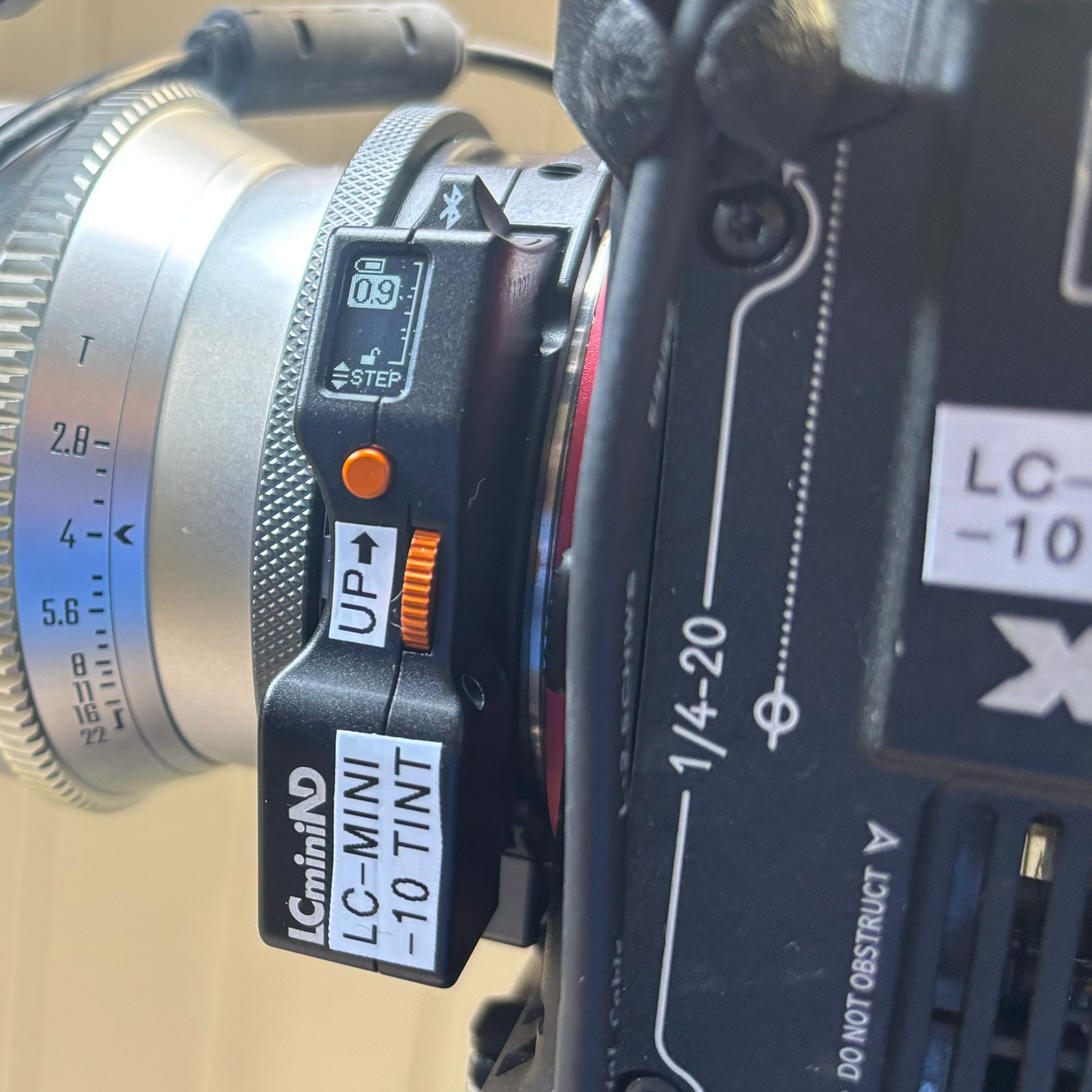
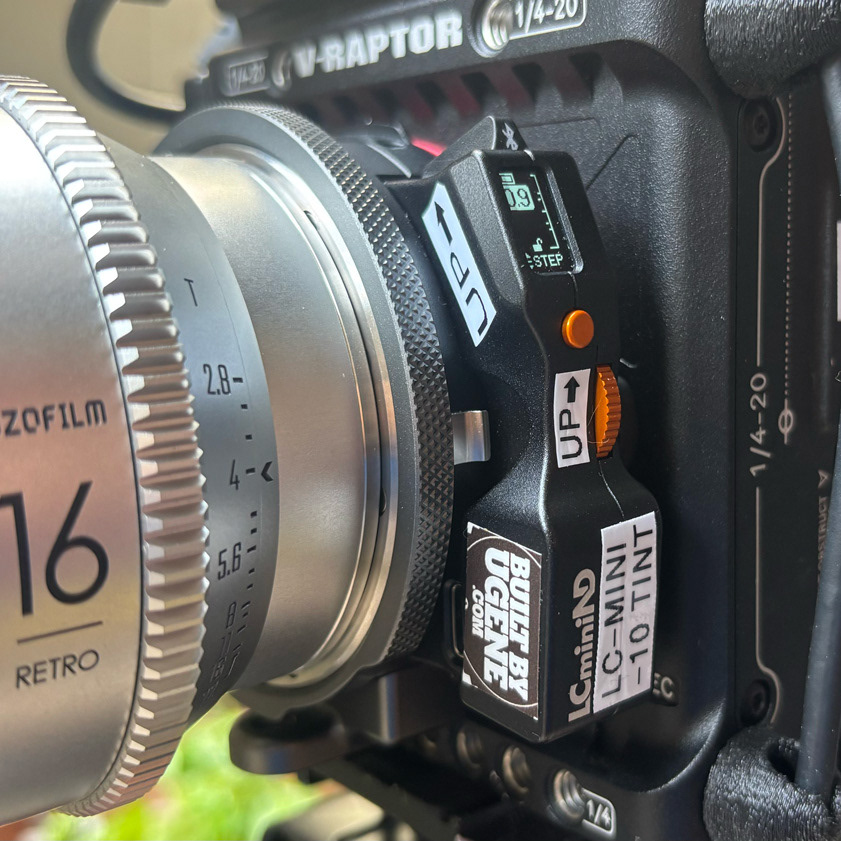
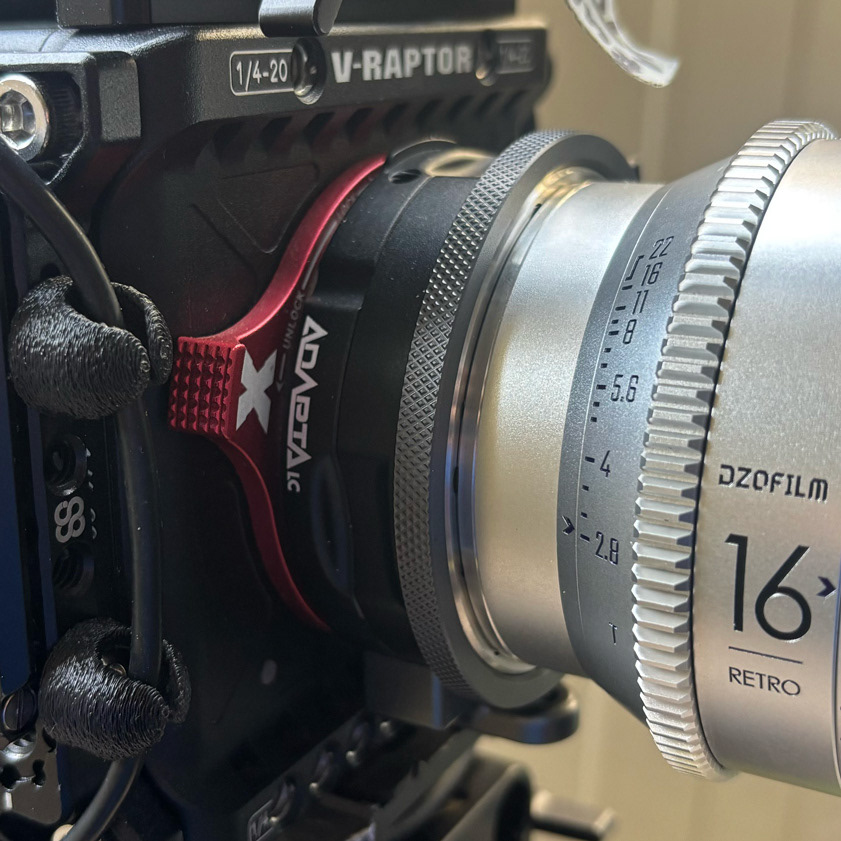
I recently got the KipperTie Adapta LC + LCminiND and overall it’s a well built, useful product and I like it. The image stays sharp and there's no polarization, a big advantage over traditional Variable NDs, which are essentially two stacked polarizers. The kit requires a clear cartridge and the LCminiND Electronic cartridge which starts at 2 stops.
I first got the EF to RF version because I have many EF mount vintage lenses and zooms, but I will be getting the PL to RF version soon.
TINT
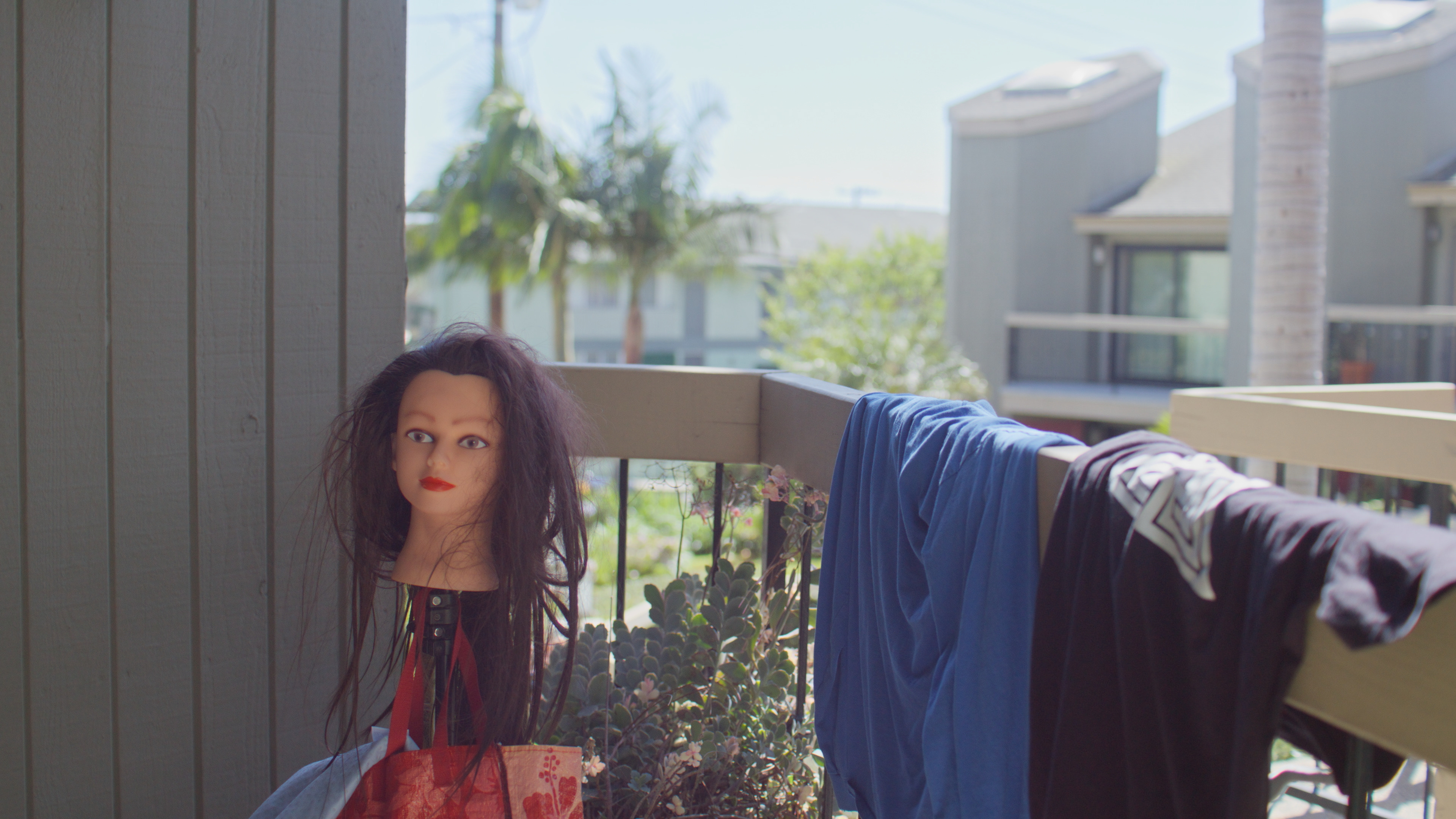
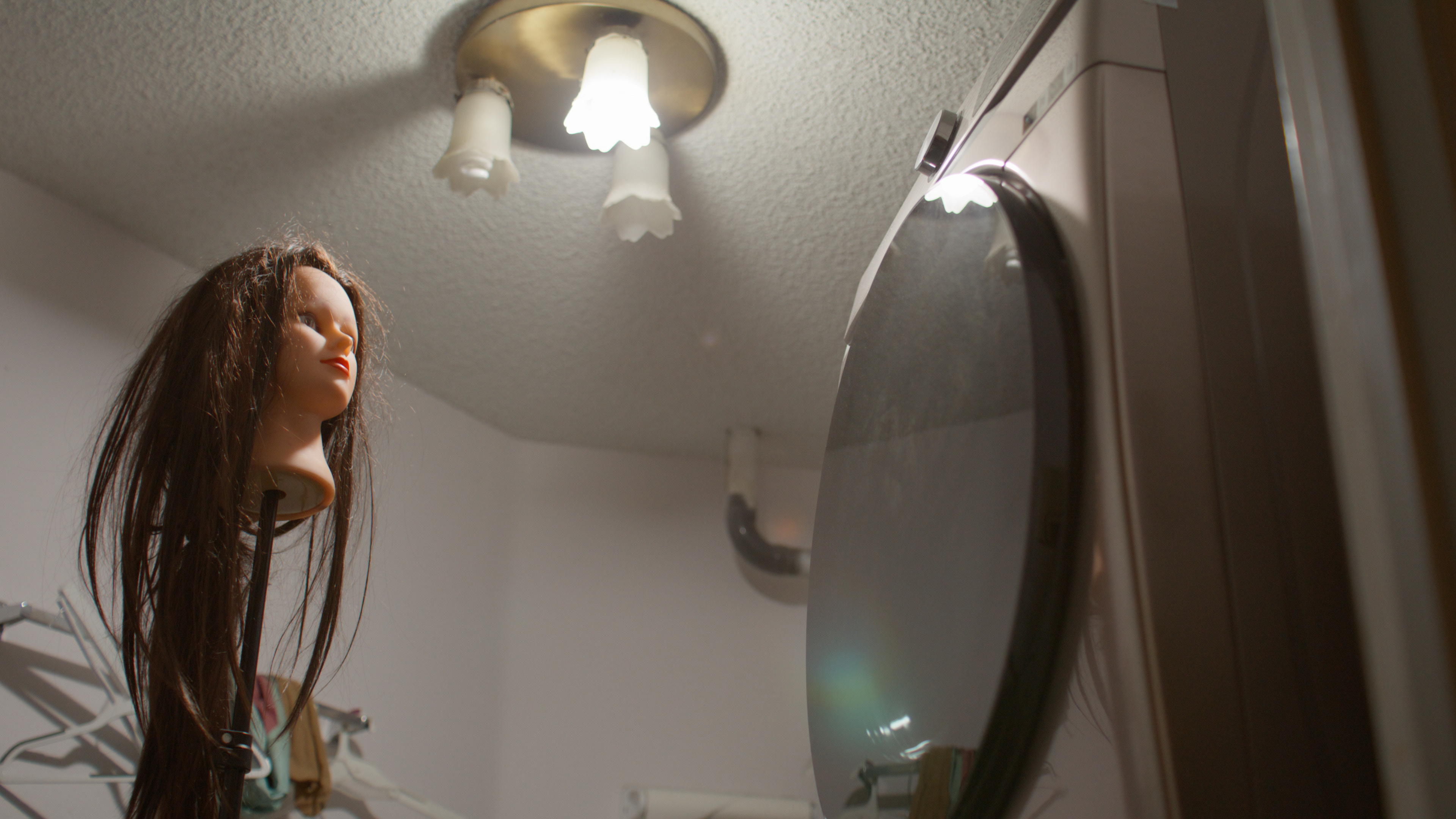
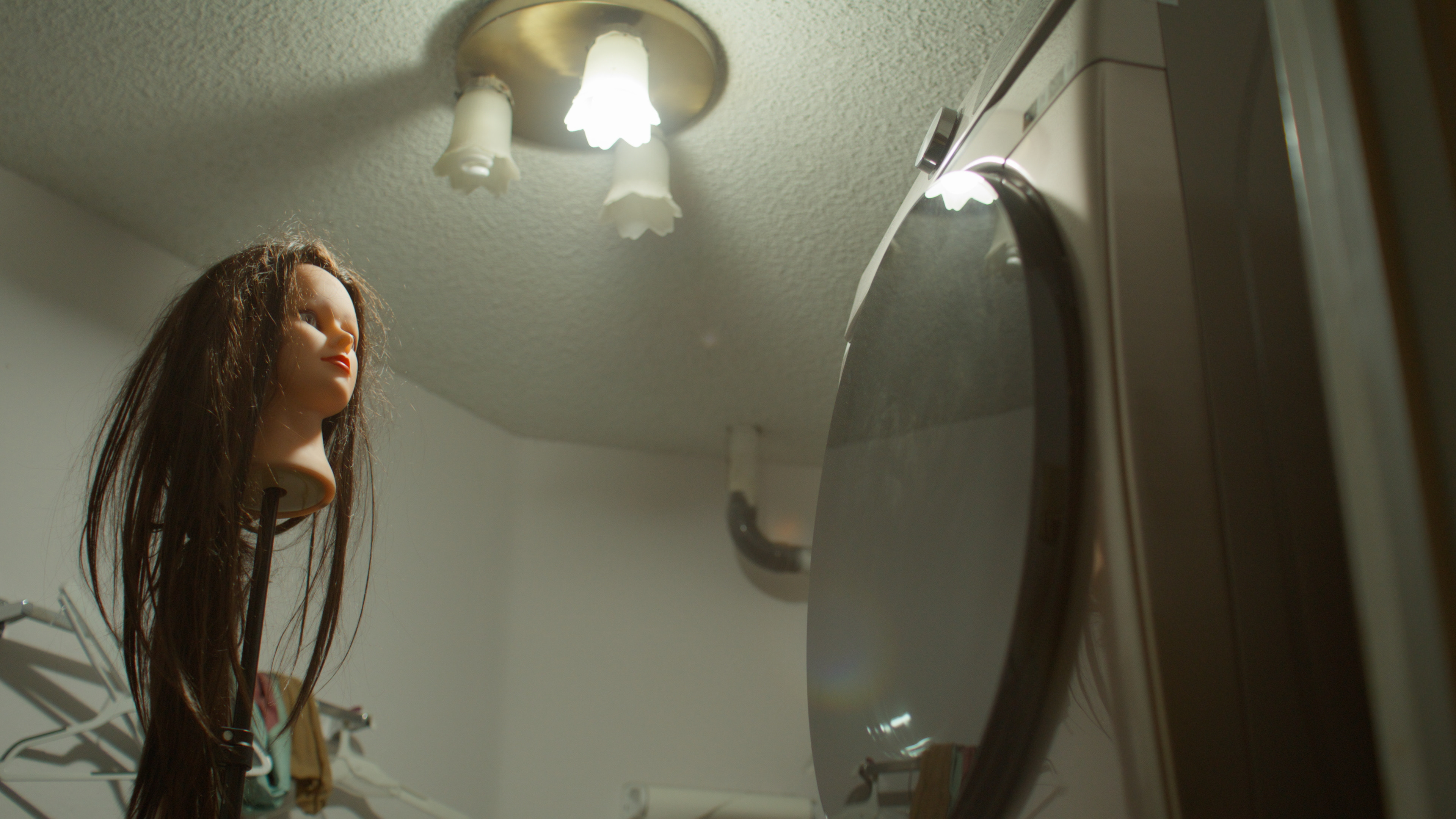
IMPORTANT: My first impression was rough as the image had a strong green tint. I emailed KipperTie who recommended setting Tint to -10 on the Raptor, which fixes most of the issue. There’s still a slight green bias, but it’s easy to correct
KipperTie should clearly mention this important -10 Tint adjustment upfront. Without guidance, a lot of users will have the same initial reaction I did: Total panic!
The good news is the -10 tint adjustment remains consistent across all ND stops on the LCminiND.
Switching Tint to -10 for the LCminiND and back to 0 for the clear cartridge is easy to forget. If you’re shooting R3D, it’s a simple fix in post if you forget. But with ProRes or other baked-in codecs, Tint needs to be set correctly in-camera—it’s not something you can easily fine-tune later. Also, keep in mind that the optimal Tint setting can vary depending on the camera.
A friend using the RED Electronic ND mentioned that it automatically applies a Tint compensation in-camera, an OEM advantage, but at a much higher cost and limited to RED systems. The KipperTie LCminiND on the other hand, works across multiple mounts, making it a more versatile long-term investment.
My friend noticed that if the RED E-ND is slightly disengaged, the auto Tint correction stops and the image shifts green, suggesting the adjustment is being applied dynamically in-camera.

HOYA ND
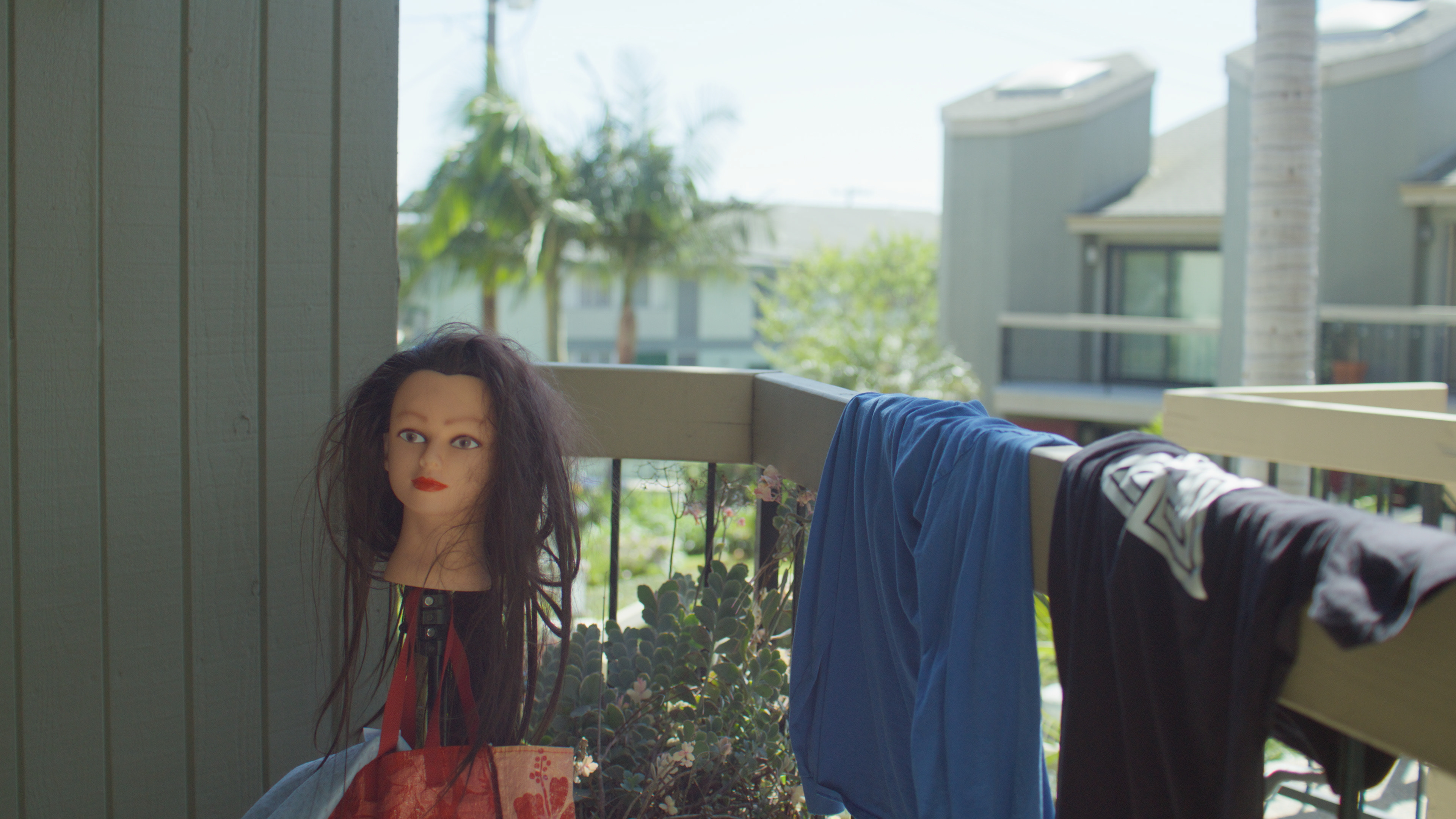
LCMiniND with No Tint Adjustment
LCMiniND with -10 Tint Adjustment
HOYA ND
LCMiniND with No Tint Adjustment
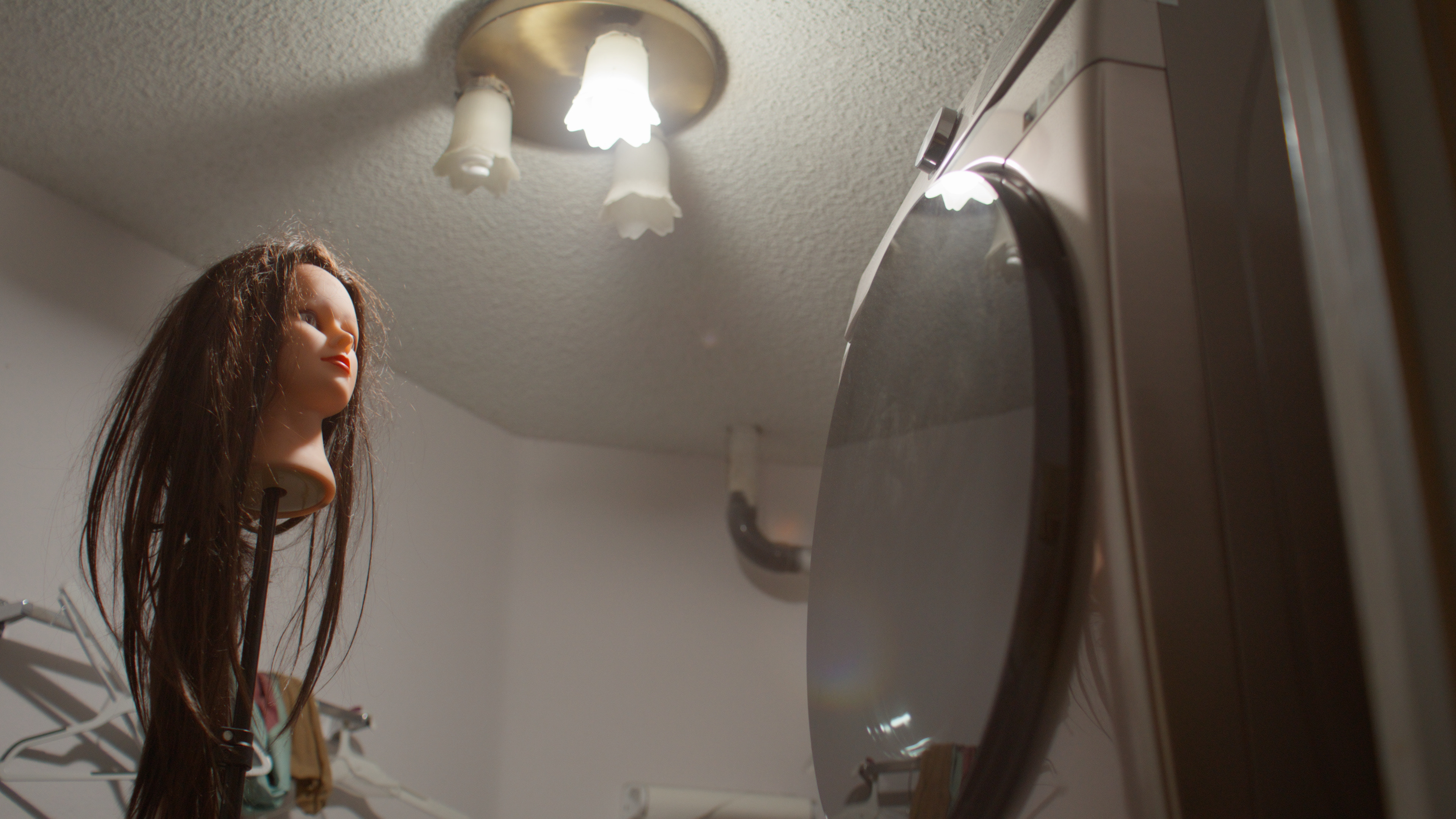
LCMiniND with -10 Tint Adjustment
1) Hoya ND 2) KipperTie LCminiND with 0 Tint 3) KipperTie LCminiND with -10 Tint
I used Hoya ND filters because they are very neutral
POLARIZATION
I generally avoid traditional Variable NDs because the polarization can noticeably alter the image: shifting specular highlights, changing reflections, and introducing inconsistency. Even a slight rotation can affect polarization, so on a fast-paced shoot, the results can feel unpredictable. I have five different Variable NDs and they all have similar polarization issues so it's just the physics of stacking two polarizers together.
The LCminiND doesn’t polarize the image. The highlights and reflections remain consistent which is a major advantage over Variable ND and the reason why I prefer Electronic ND.
The video test above shows the polarization effects of traditional Variable NDs. Even a slight rotation of a few degrees can cause highlights and reflections to shift dramatically. I looped the clip twice to make the effect more obvious. This kind of uncontrolled polarization is why I avoid variable NDs whenever possible.

Hoya ND - 2 Stops

LCminiND - 2 Stops
1) Hoya ND 2) KipperTie LCminiND
In multiple shots of reflective surfaces, from the laundry machine in the earlier tint test to the table and countertop surfaces above, the highlights and reflections remain consistent.
FLARES
I love lens flares and LCminiND does alter the flare. It tends to milk out direct to lens hot spots like a light or the sun. I’ve heard from a reliable technical source that milky hot spots are a characteristic of all E-NDs: Red E-ND, Sony FX6 E-ND, etc… I personally prefer the non-altered flare on traditional NDs, but LCminiND flares are not a deal breaker. It just looks aesthetically different and some may even prefer the LCminiND flares.
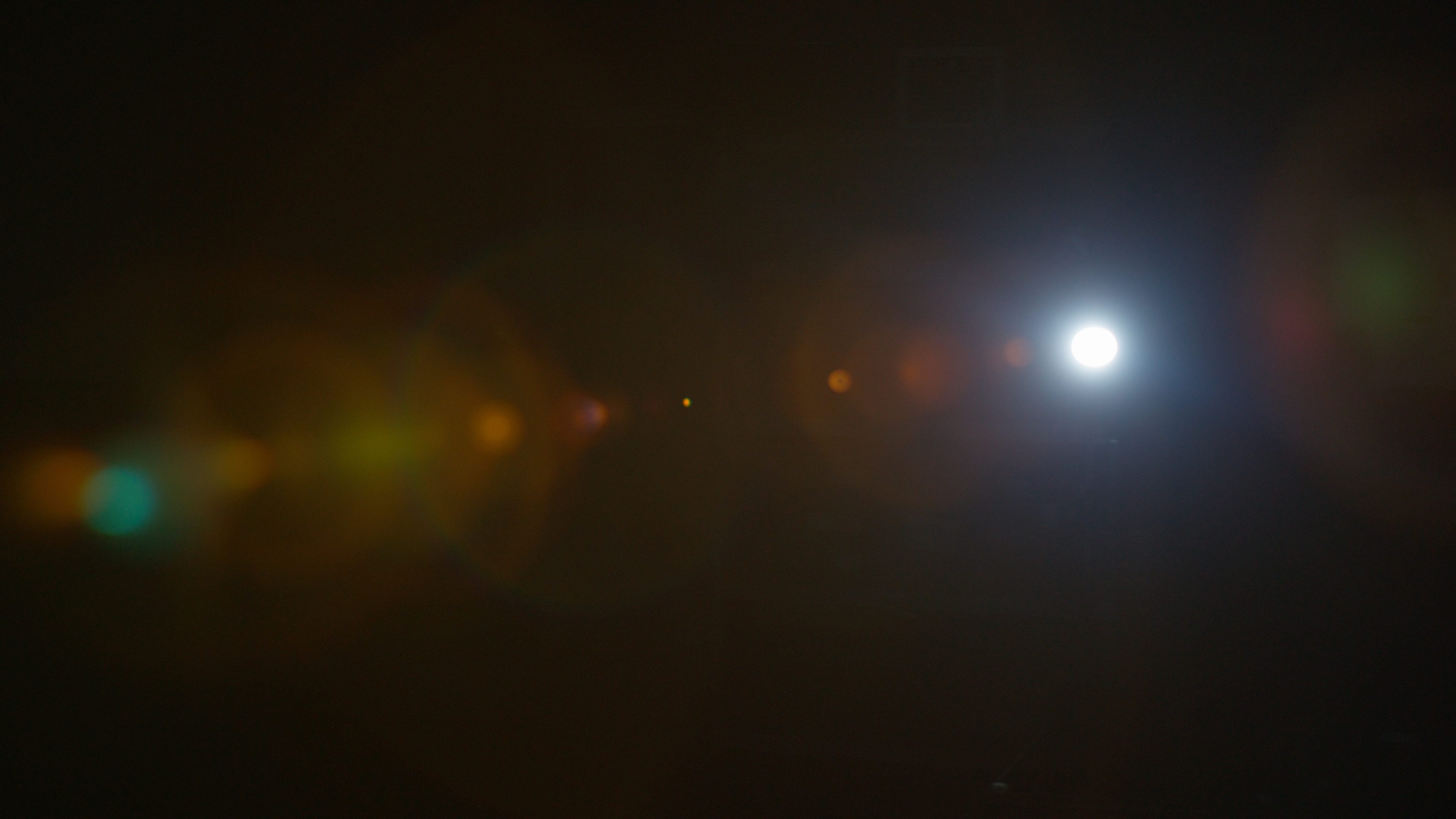
Hoya ND
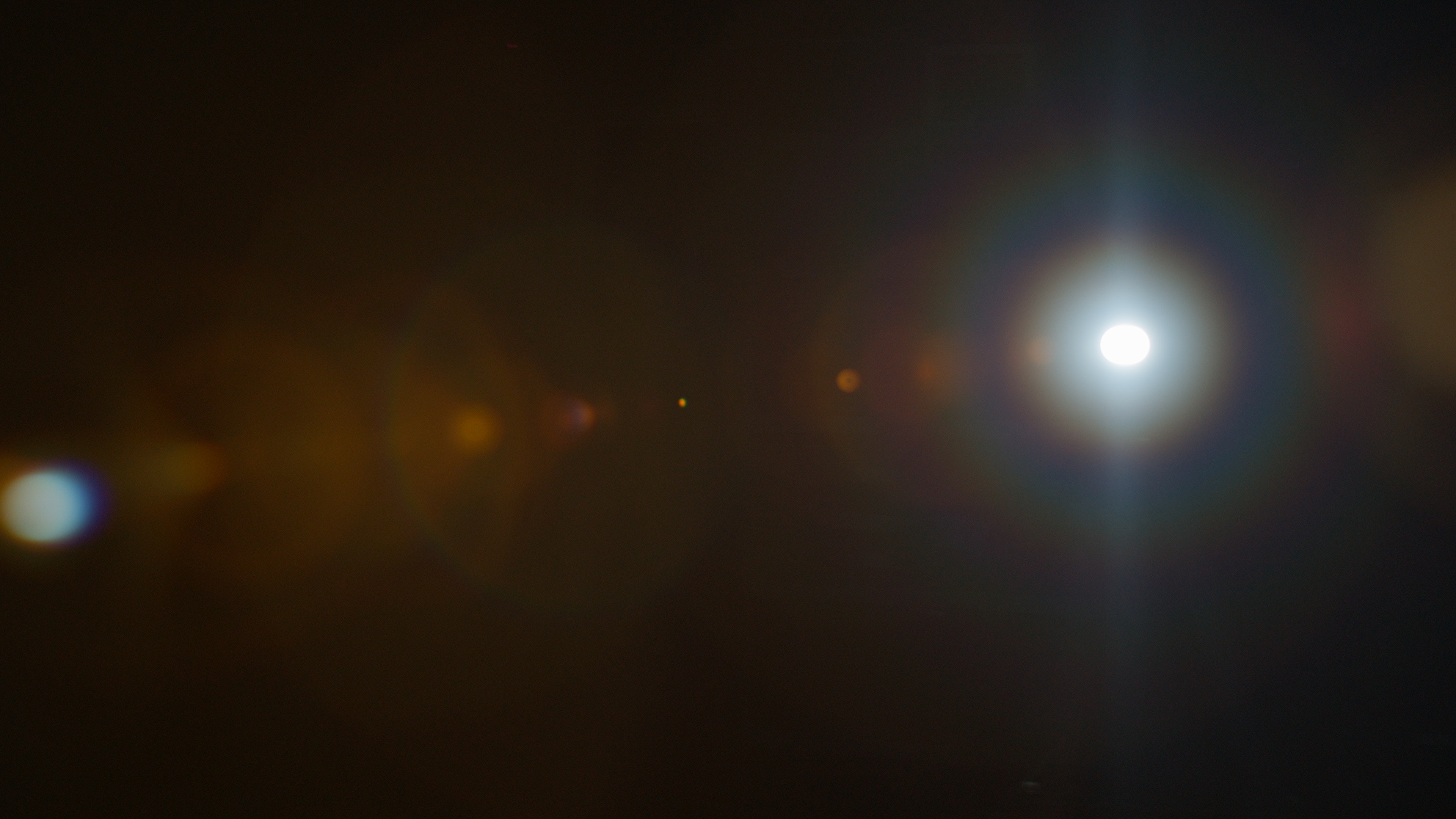
LCminiND
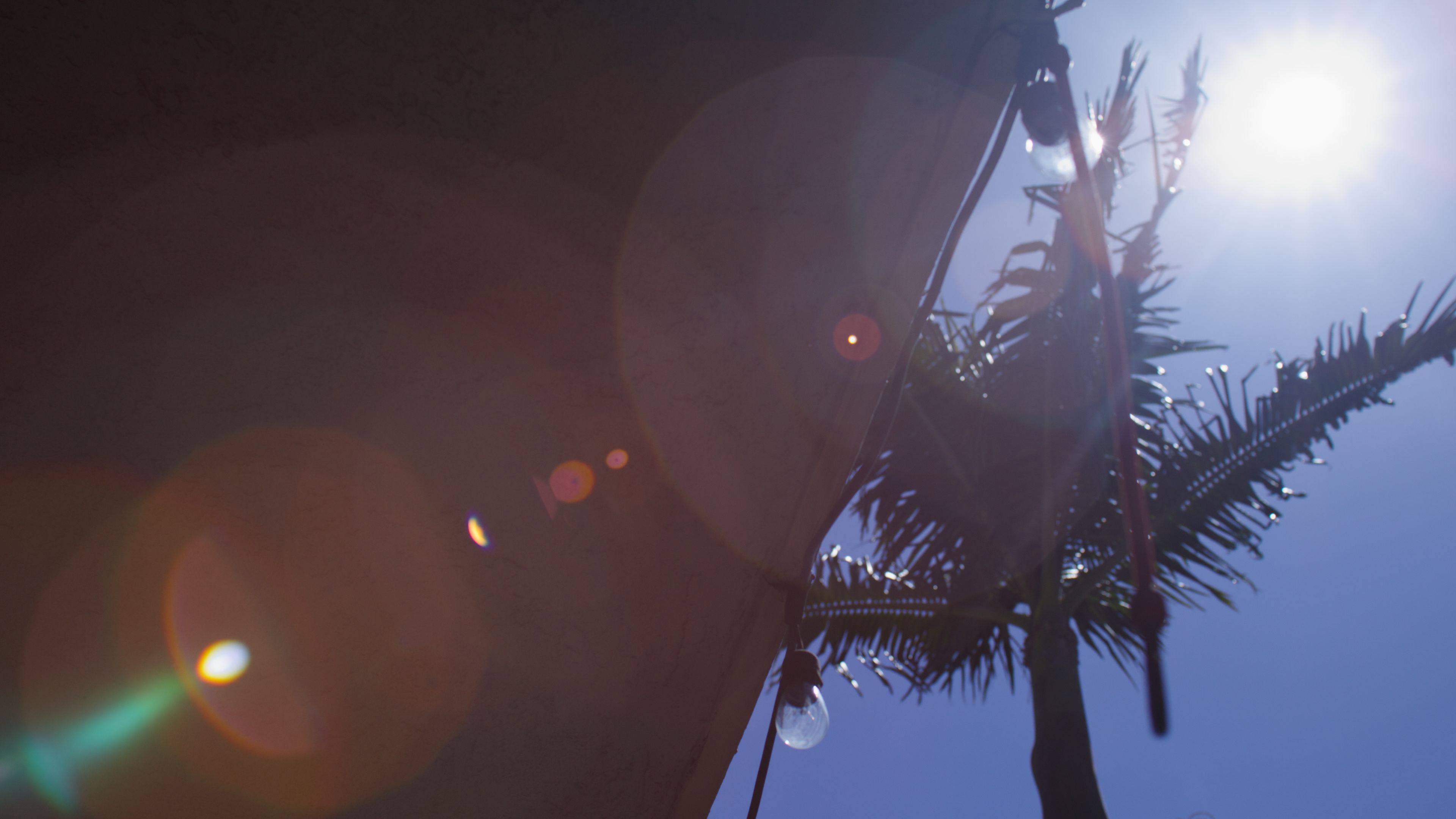
Hoya ND
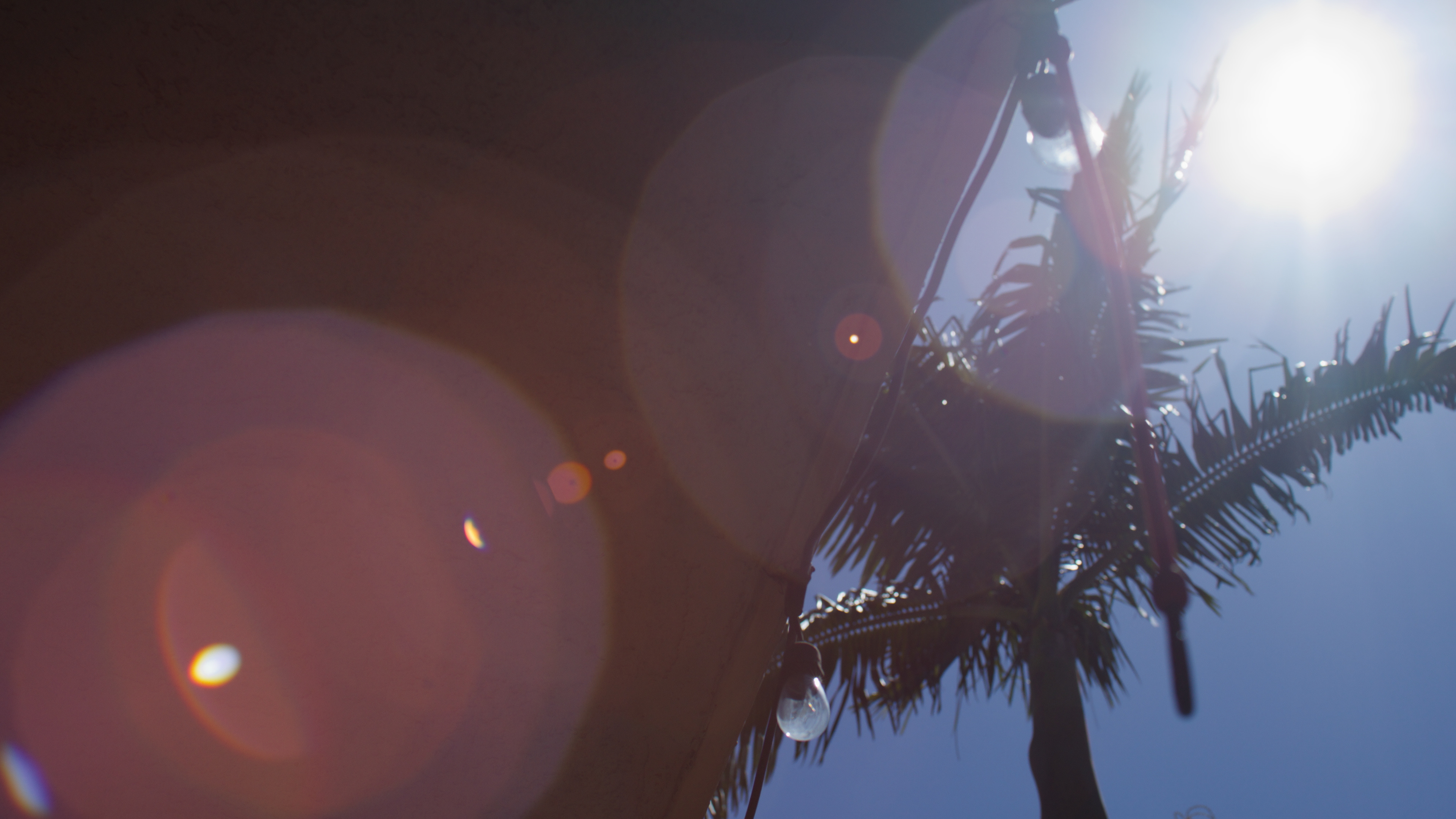
LCminiND
1) Hoya ND 2) KipperTie LCminiND
REVOLVA
I also own the KipperTie Revolva, which in my opinion delivers the best image quality because it's traditional glass ND, but it can produce noticeable vignetting with certain lenses in 8K Vista Vision. That’s ultimately why I picked up the LCminiND.
From what I’ve observed, lenses with a wider circumference rear glass tend to vignette more, likely because the Revolva’s window port is smaller than most rear ND systems.. For example, my full-frame Sigma and Canon FD lenses don’t vignette, while my DZO Retros (modified Pictors) do vignette pretty badly—presumably due to their significantly wider circumference rear glass.
I really wish Revolva did not have the vignetting issue, but with the current built, it’s physically impossible to address the vignetting for Vista Vision.
It would be great if KipperTie offered fixed-strength traditional ND cartridges for the LC-ND system. That way, when you need absolutely clean filtration with zero compromise, you’d have the option. Since the LCminiND starts at 2 stops, a 1-stop ND cartridge, similar to the Clear cartridge, would be a really useful.
FINAL THOUGHTS
Overall, traditional NDs are still the gold standard, but the KipperTie LC-ND is convenient, useful and much faster than switching out ND’s in a matte box or dealing with uncontrolled polarization from Variable NDs. It’s a useful piece of gear.
PROS
• No polarization - Huge plus over Variable ND
• Minimal color shift when -10 Tint compensation is set and is consistent across the ND range
• No loss of sharpness
• The Adapata LC kit is very well constructed and well thought out
CONS
• Alters flares aesthetics. But some might actually like the altered flares.
• Starts at 2 stops of ND
• Requires a -10 Tint adjustment for accurate color
WISH LIST
• Traditional Adapta ND cartridges when ND with no compromise is preferred.